Meta Pixel Saltar al contenido
Geedle Blog

Geedle Blog

Practical guides on LMS platforms, applied gamification, Mexican STPS compliance, virtual course production, and ISO management systems — drawn directly from our projects across Mexico and Latin America.

Geedle Blog
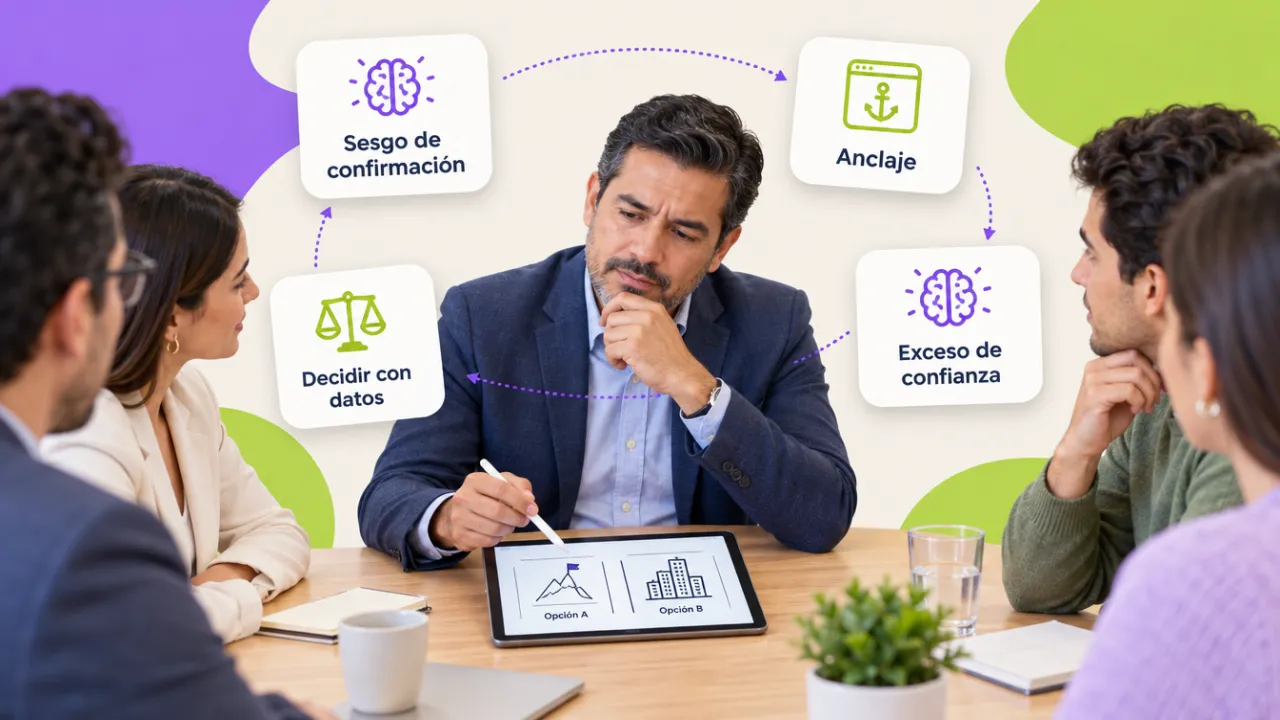
Gerente en una junta sopesando dos options en una tablet, con tarjetas de sesgo de confirmación, anclaje y exceso de confianza
Training

Cognitive biases in decision making: the seven that cost companies the most and how to counter them

Nobody decides badly on purpose. We decide badly because the mind uses shortcuts that worked for thousands of years and fail in a management meeting: we look for what confirms what we already believed, we anchor on the first figure, we keep investing in what no longer works. These seven biases show up in almost every business decision; for each, how to recognize it and a technique to counter it as a team.

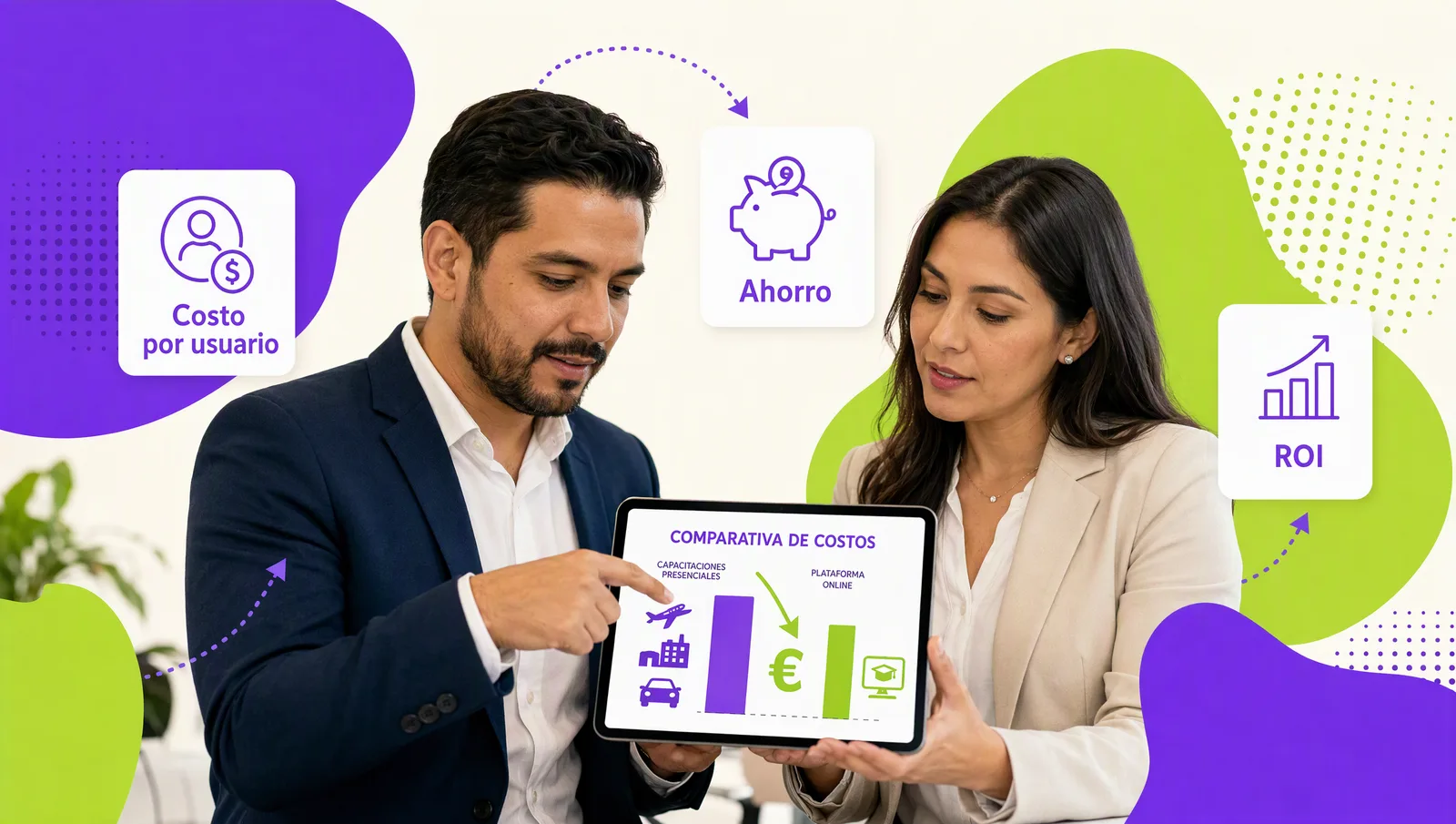
Directora de finanzas y gerente de capacitación revisando en una tableta los componentes del costo de una plataforma e-learning
LMS & Platforms

How much does an e-learning platform cost for companies: components, models, and hidden costs

The question "how much does an e-learning platform cost?" has an honest answer: it depends on six components and, above all, on whether you pay per user or a fixed cost. In this article we break down each component, compare how the cost of a subscription LMS scales against an implemented Moodle at 100, 500, and 2,000 users, flag the hidden costs that never show up in the first quote, and explain which levers make the investment pay back.

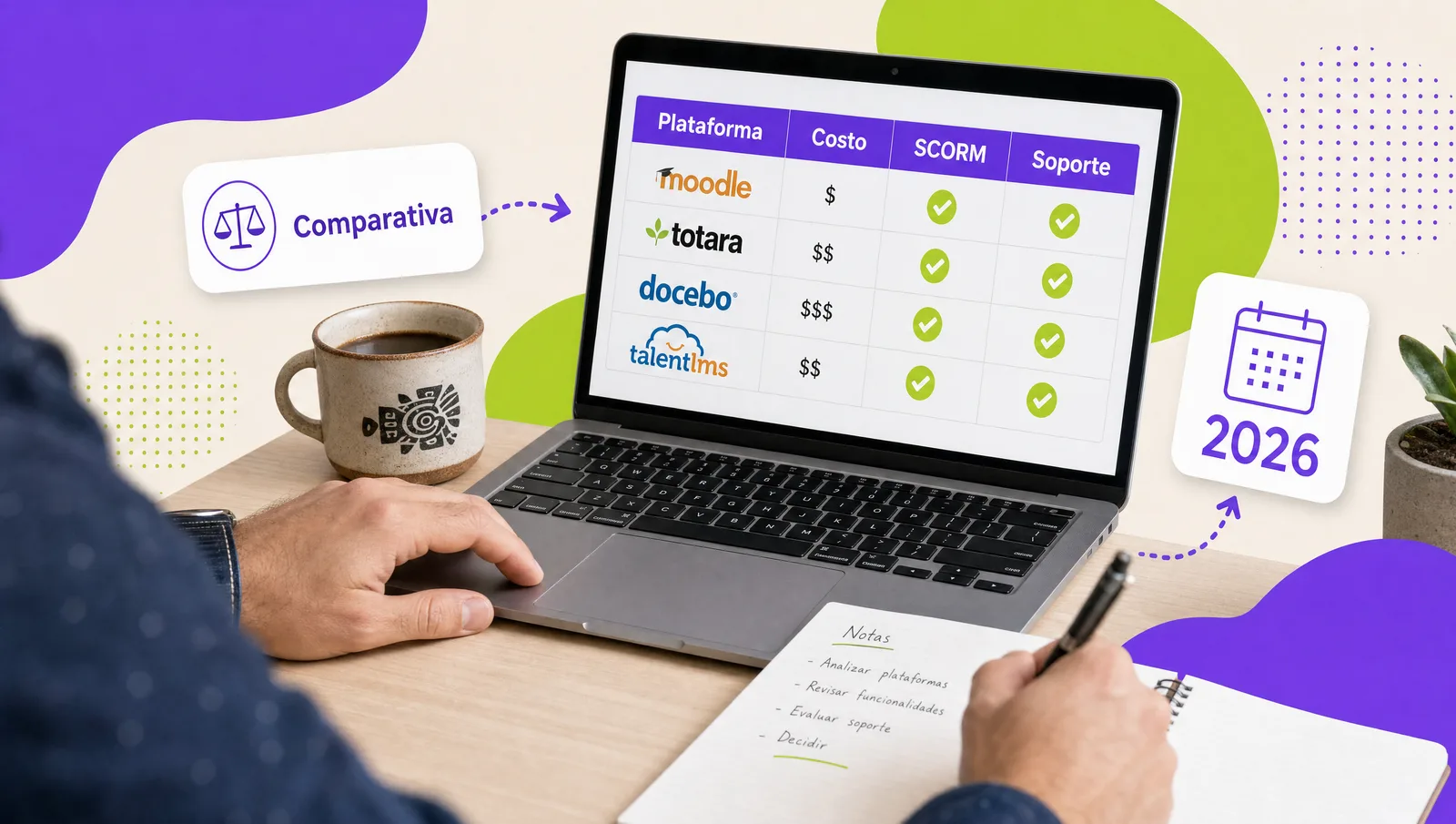
Comité de recursos humanos comparando tres tipos de plataforma e-learning en una pantalla con criterios de evaluación
LMS & Platforms

How to choose the best e-learning platform for companies (2026 guide)

Choosing an e-learning platform for your company is not about comparing LMS logos: it is deciding how you will train, document, and certify your workforce for years to come. This guide explains what a corporate e-learning platform is, the eight criteria that separate a good choice from an expensive one, a comparison of the three platform types available today, the mistakes that repeat most often, and a checklist to run before signing.

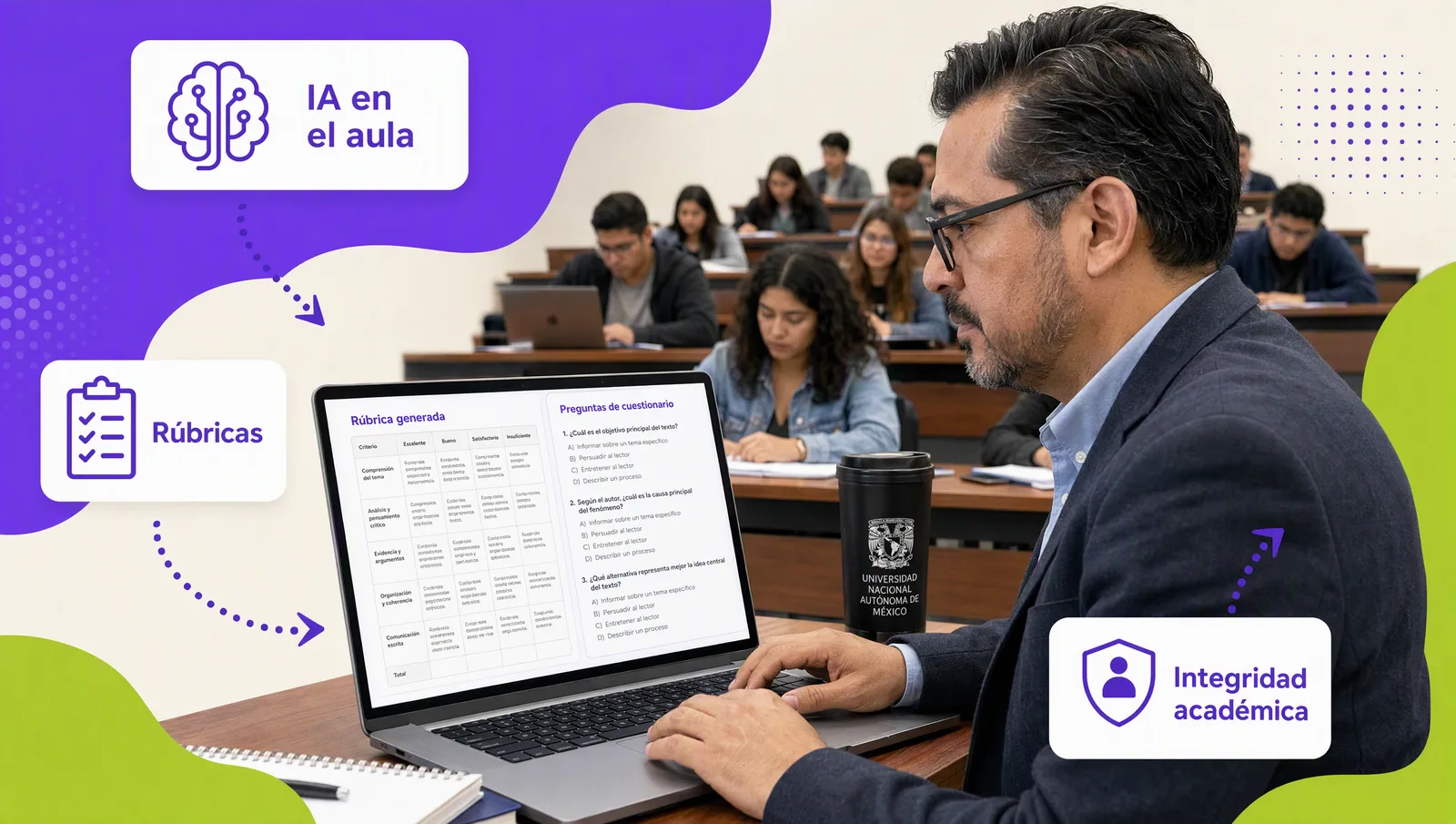
Docente frente a un grupo con una pantalla que muestra una rúbrica y retroalimentación generadas con inteligencia artificial
Training

Artificial intelligence in education: a practical guide for teachers and trainers

Artificial intelligence is already in the classroom whether teachers use it or not: students do. This practical guide explains how to use it with judgment to plan lessons, build rubrics, give individual feedback, design assessments that resist copying, protect academic integrity, ethics, and privacy, which tools work well in Spanish, and how an AI agent trained on a course's content changes how students are supported.

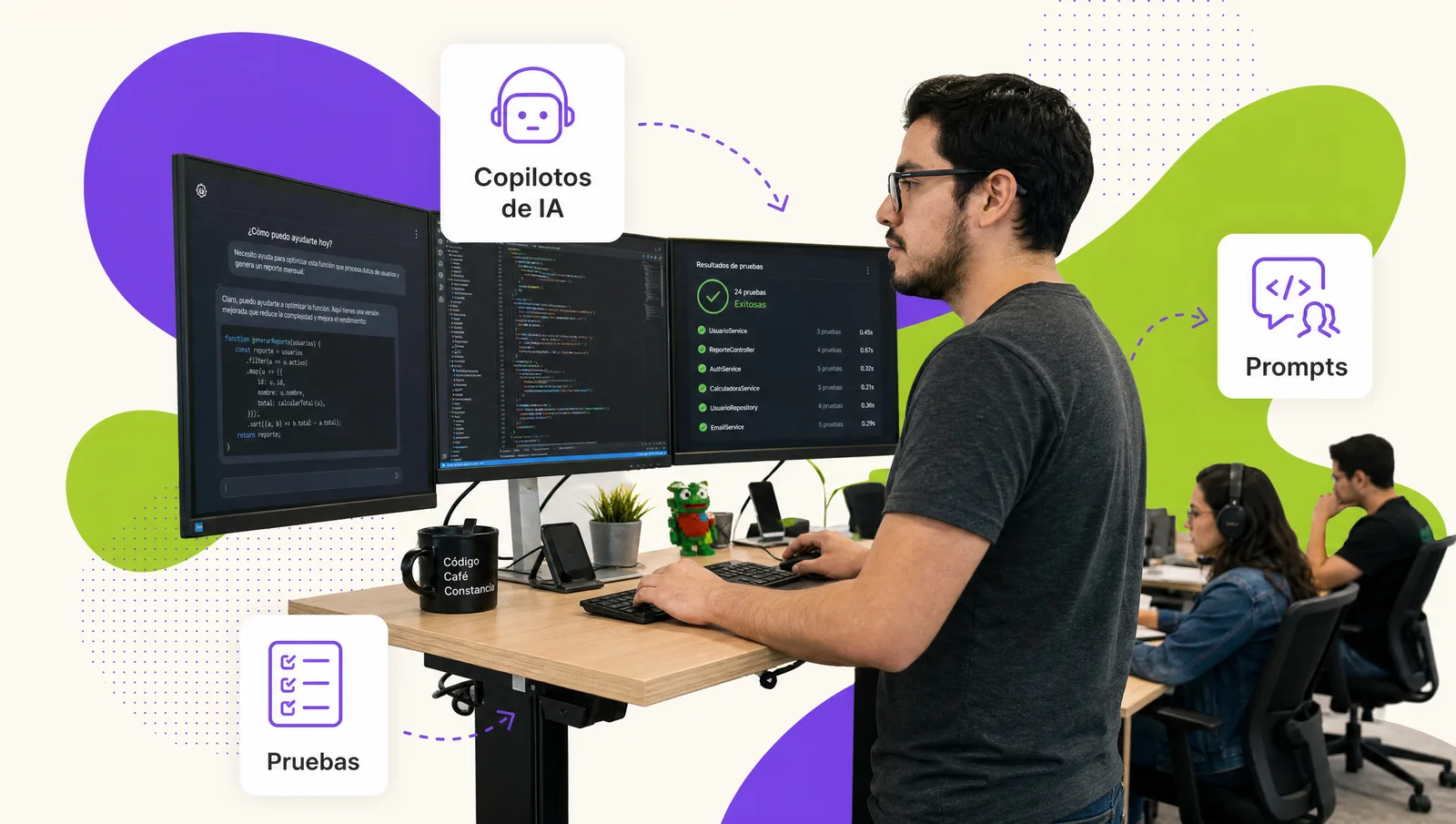
Desarrollador frente a dos monitores con un asistente de inteligencia artificial generando y probando código en el editor
Training

Artificial intelligence for developers: what to learn in 2026

Artificial intelligence changed how we write software faster than curricula can change. A developer in 2026 needs to master coding assistants and agentic IDEs, write prompts that produce useful code, integrate language models through RAG and APIs, test and review what the AI generates, take care of security and licensing, and help the team adopt all of this without losing quality. This guide organizes those skills and ties them to real use cases.

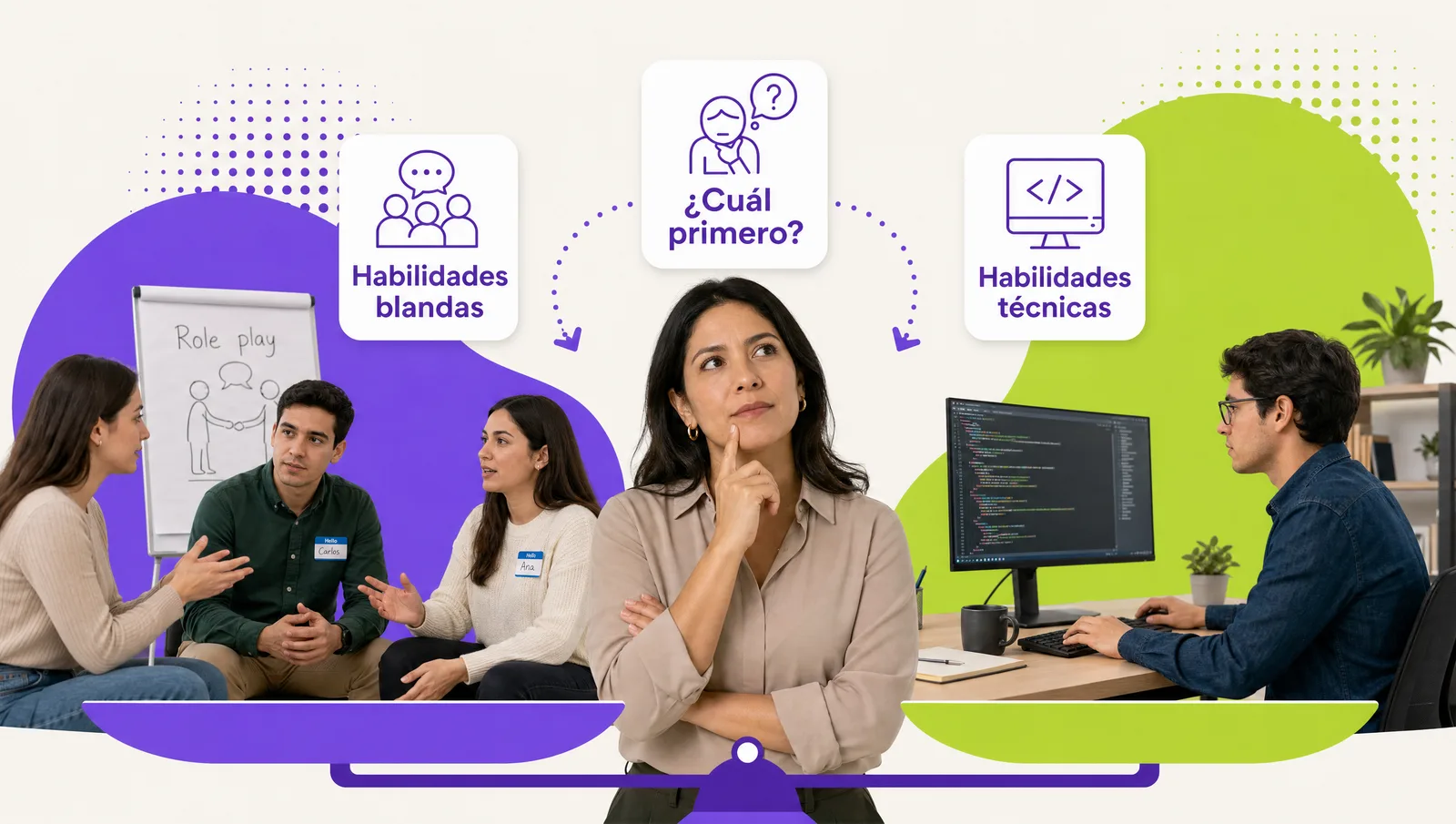
Dos grupos de colaboradores: uno en una dinámica de liderazgo y otro frente a computadoras en un curso técnico, con una balanza al centro
Training

Soft skills vs technical skills: which to train first in your company

When the budget does not stretch to everything, the question is unavoidable: do we train leadership and communication first, or Excel, cybersecurity, and artificial intelligence? We define soft and technical skills, show examples of each and how they are measured, give a decision guide based on the problem the business is facing (turnover, complaints, tool adoption, compliance), and explain how to combine them into learning paths by role.

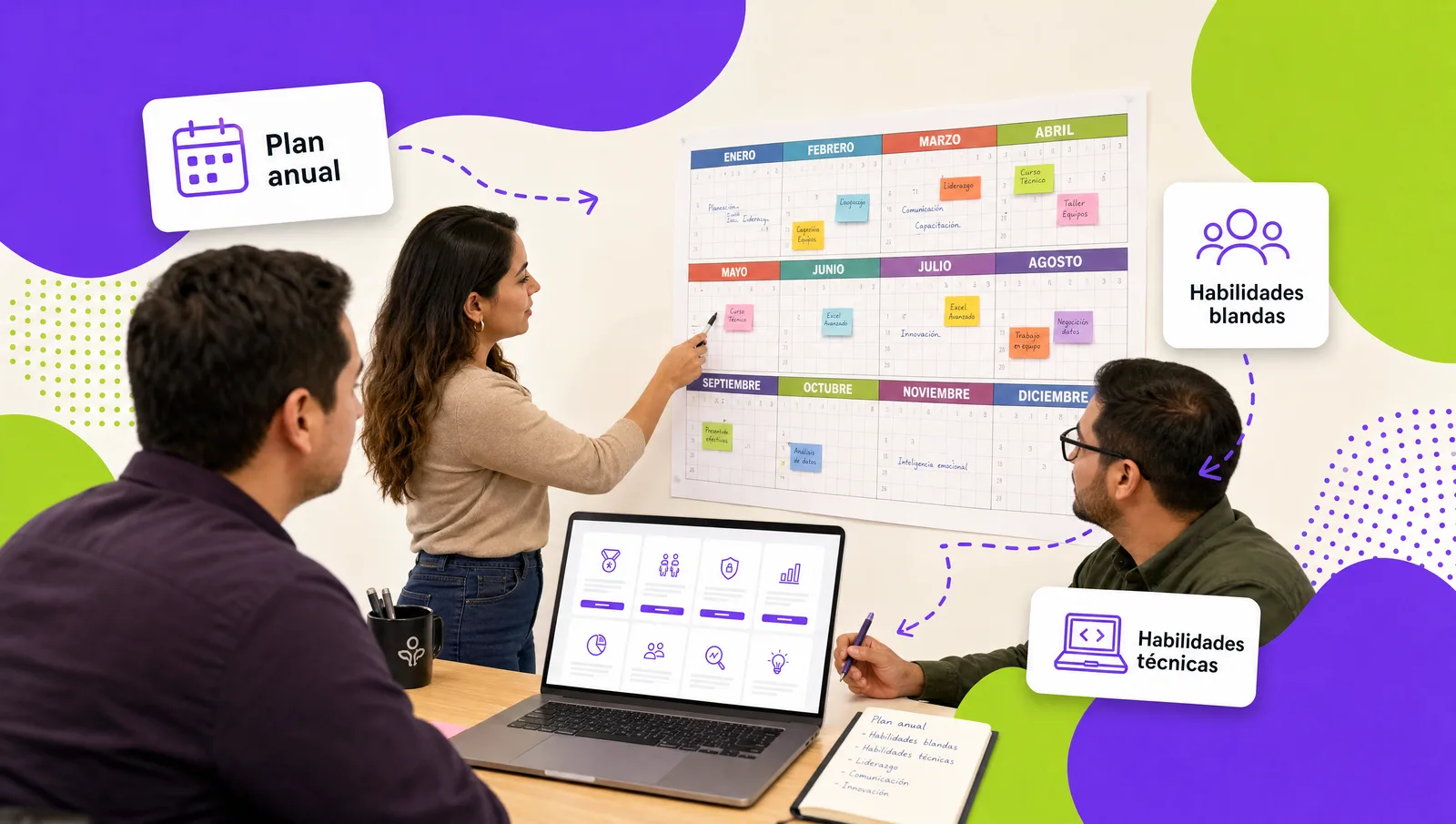
Gerente de recursos humanos frente a un calendario anual de capacitación dividido por trimestres con cursos de habilidades blandas y técnicas
Training

How to build your company's annual training plan: needs analysis, legal obligations, calendar, and KPIs

The annual training plan is the document that turns company needs into courses with dates, budget, and evidence. We explain how to build it step by step: training needs analysis, legal obligations (Article 153-A of the Federal Labor Law, DC-3 certificates, and NOM-035), the mix of soft and technical skills, delivery formats, a quarterly calendar with example courses, the budget logic, and the indicators that prove results.

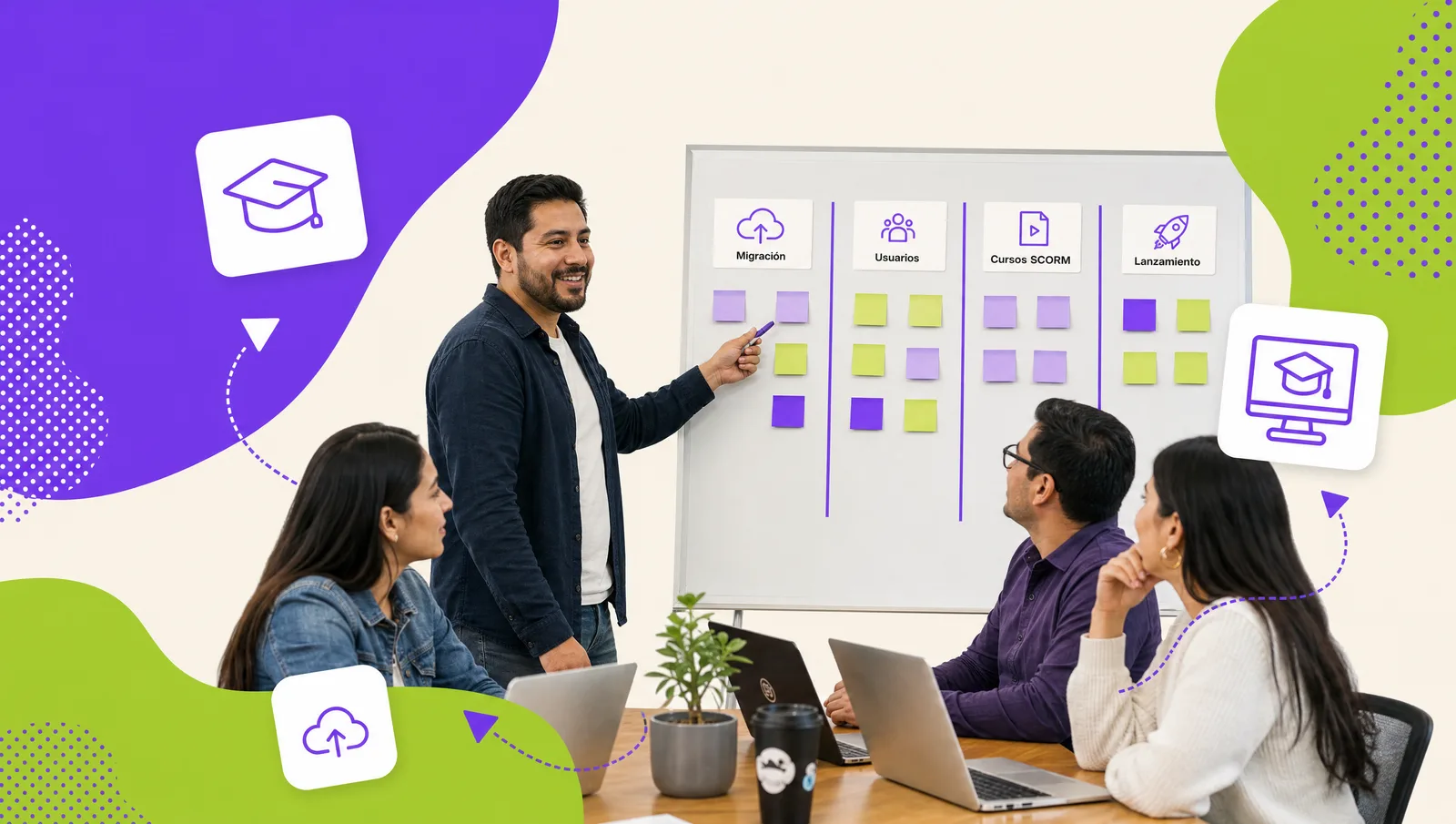
Equipo de capacitación trasladando cursos, usuarios y constancias desde archiveros y hojas de cálculo a una plataforma e-learning en pantalla
LMS & Platforms

How to migrate your company's training to an e-learning platform in 7 steps

Migrating company training to an e-learning platform is not uploading files to an LMS: it means moving people, history, certificates, and habits without stopping operations. This seven-step plan runs from diagnosis to a gamified launch, with a week-by-week timeline, change-management recommendations, and the role of an AI agent in answering first-day questions.

Dos pantallas lado a lado comparando una plataforma Moodle con marca propia y un LMS comercial por suscripción
LMS & Platforms

Moodle vs commercial LMS for companies: control, cost, integrations, and performance

Moodle is the most widely used open-source LMS in the world, and commercial subscription LMSs are its most visible alternative in the corporate market. We compare both on what matters to a company: data control and ownership, customization, license cost, integrations with HR and SSO, performance with Redis and Nginx, security and updates, and the cases where a commercial LMS really is the better choice.

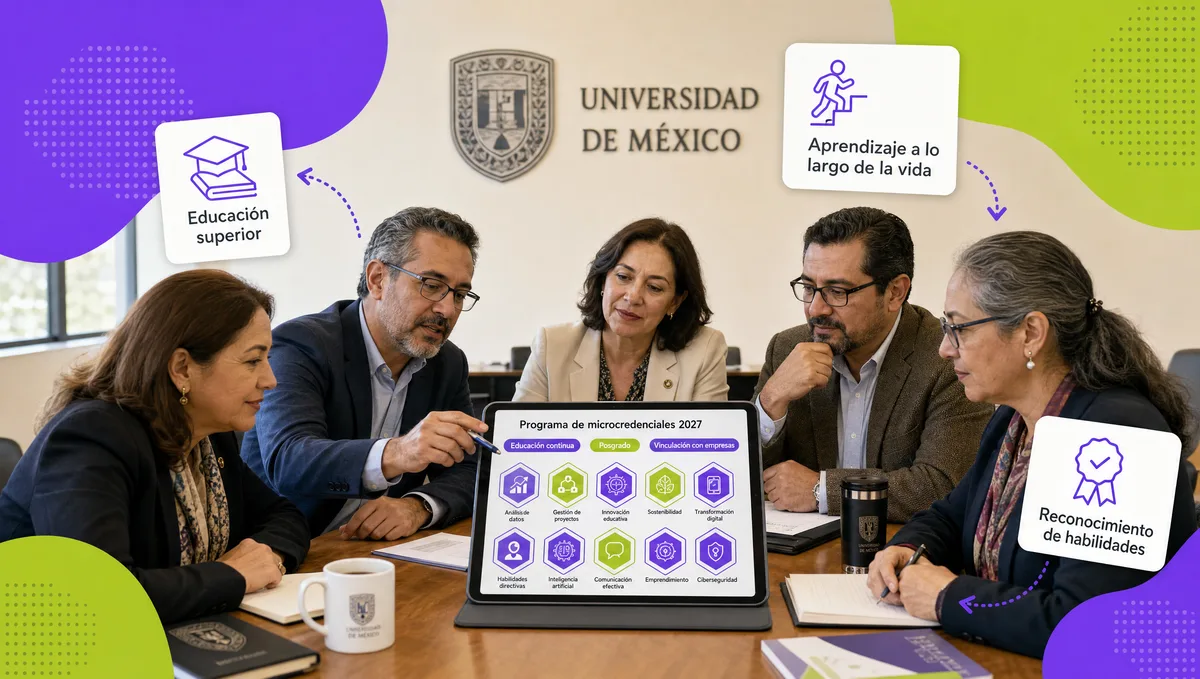
Comité académico de una universidad planeando en una tableta su programa de microcredenciales 2027 con educación continua, posgrado y vinculación con empresas
Microcredentials

Micro-credentials in Mexico: the 2026 landscape for institutions and companies

Micro-credentials stopped being a conference trend and started showing up in state laws, national programs, and continuing-education catalogs. We summarize the Mexican landscape in 2026 (SEP, Guanajuato, Ceneval, programs with universities and companies), what is still missing, what universities and companies are doing, and where to start.

Would you rather walk through it together?

Everything you read here is what we apply at your company — start with the free assessment.

Enter the VIP Zone

Geedle clients only. No passwords: we send a code to your email.

or

Not a client yet? Request your free diagnosis · Privacy notice

Choose your assessment

Answer 8 questions in 3 minutes and get your result with recommendations from a consultant.