




Manufacturing and operations
Plants and logistics centers with operational and technical roles.
- Matrix by line
- Safety
- Quality
- Supervisors

Platforms
E-learning platform for companies
Branded LMS, DC-3 and Geedle Bot
LMS Implementation
Your virtual campus ready to run
Corporate universities
Gamification, avatars and incentives
LMS Optimization
Performance with Redis and Nginx
Updates and maintenance
Your LMS up to date, secure and stable
Instructional design
The pedagogical foundation of your e-learning
Course production
Online course production
From content to SCORM, in your city
Instructional design for courses
Objectives, script and storyboard
Course content design
Writing, scripts and graphic design
Gamified courses
End-to-end SCORM production
Interactive videos
Decisions and assessment in video
Learning objects
Interactive micro-content
Moodle Plugins
Artificial intelligence
AI automation
Education, HR and business workflows
Educational virtual agents
RAG chatbots with verified sources
Geedle Bot
Course answers at the exact minute
AI agents for business
Consulting and agents on your documents
AI tutor for universities
Geedle Bot for students 24/7
HR chatbot
AI employee self-service
AI courses from your manuals
From manual to SCORM course
ISO 9001 — Quality
ISO 14001 — Environmental
ISO 45001 — Safety
ISO services
Integrated management system
9001, 14001 and 45001 in one
ISO gap analysis
And pre-assessment audit
ISO courses
Internal auditor and requirements
Maintenance on retainer
Your system alive all year
Supplier audits
Your supply chain, evaluated
System digitalization
Documents and evidence on a platform
ISO 27001 consulting
Information security and cybersecurity
Formats
Programs and compliance
Digital onboarding
New-hire induction with DC-3
Corporate university
Schools, paths and career plans
Training needs assessment
Gaps by role and priorities
STPS training plan
Joint committee, DC-3 and SIRCE
NOM-035 compliance
Assessment, policy and records
CONOCER certification
EC0217, EC0301 and more
Corporate English
By level, live and with DC-3
Sales training
Prospecting, negotiation and closing
Emergency brigade training
Fire, evacuation and first aid
Learn
We run your company's training needs assessment with a clear method: interviews with managers, employee surveys, a skills matrix by role and a review of indicators and performance evaluations. We analyze gaps by area and role, prioritize them by impact and deliver a report ready to become your training plan and program.
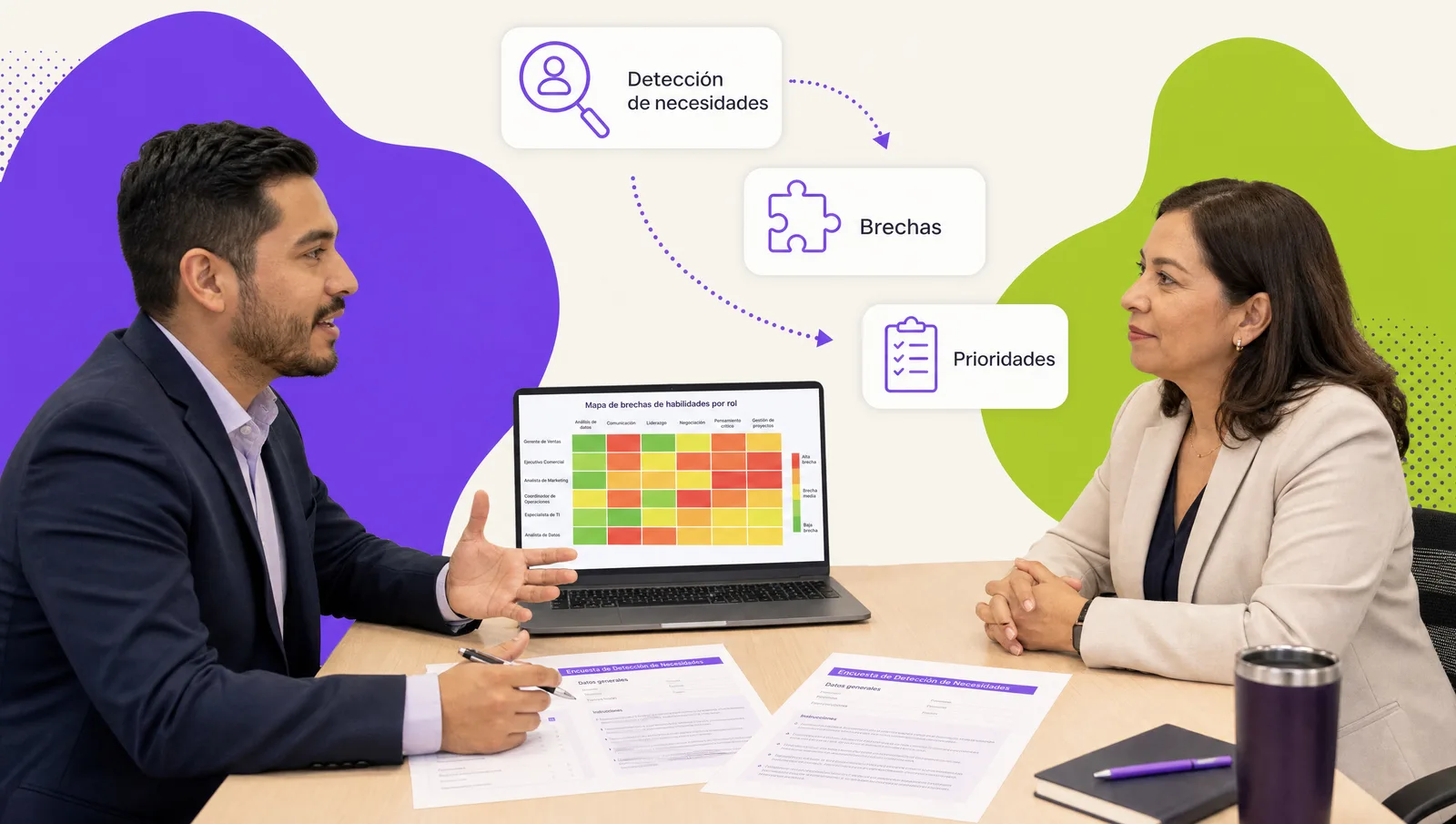
It is the diagnosis that identifies which knowledge and skills each role is missing to meet its goals, comparing what the role requires with what the person masters today. With Geedle it is done with surveys, interviews, a skills matrix and indicators, and it ends in a prioritized report ready for the training plan.
Each stage produces something your team can review and use; nothing stays in a forgotten spreadsheet.
Information gathering
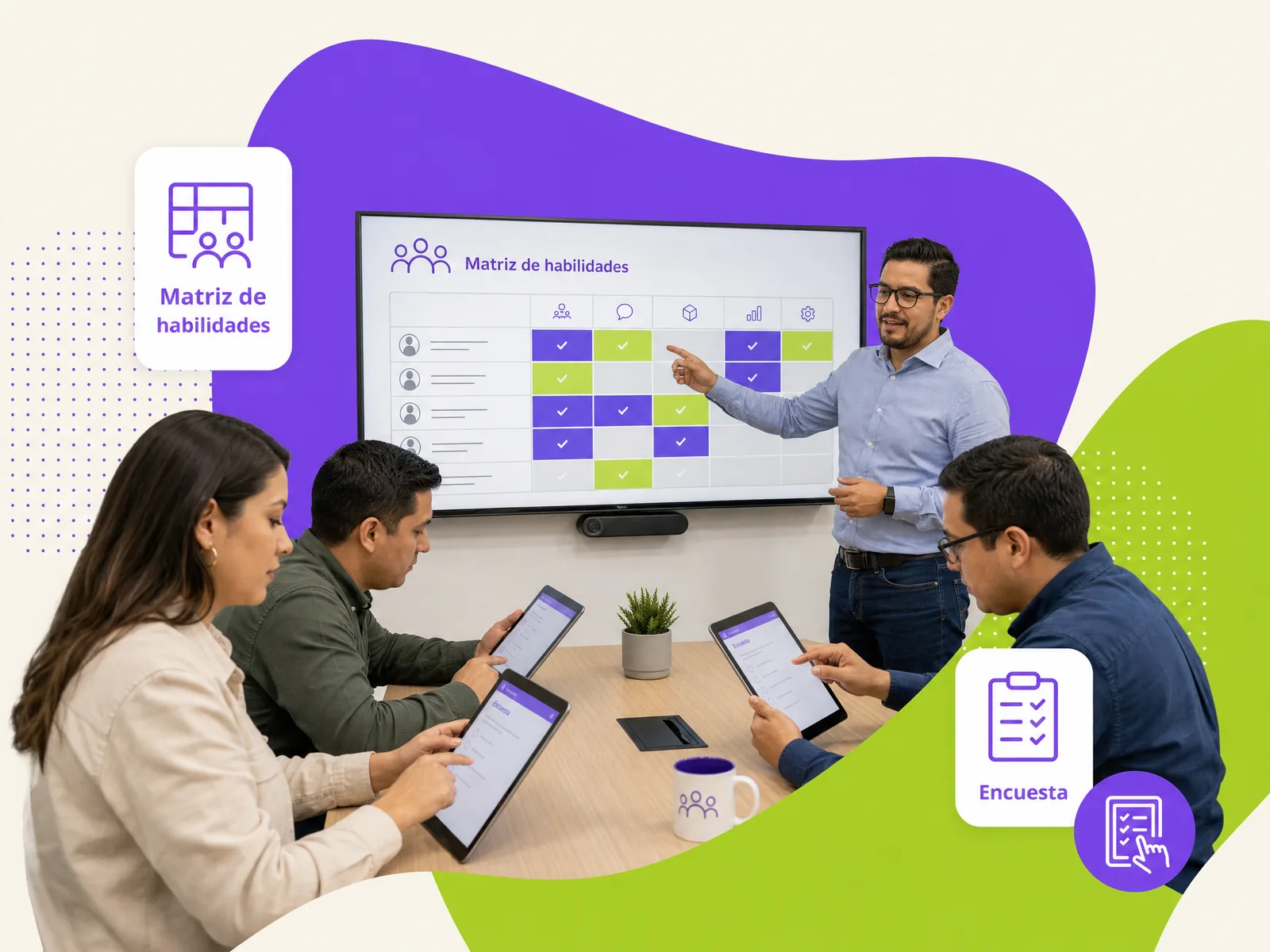
We review job profiles, goals and area indicators and apply the instruments: an online employee survey, interviews with managers and directors, and a self-assessment in the skills matrix. Everything uses a format employees complete in minutes from their phone.
Gap analysis by role
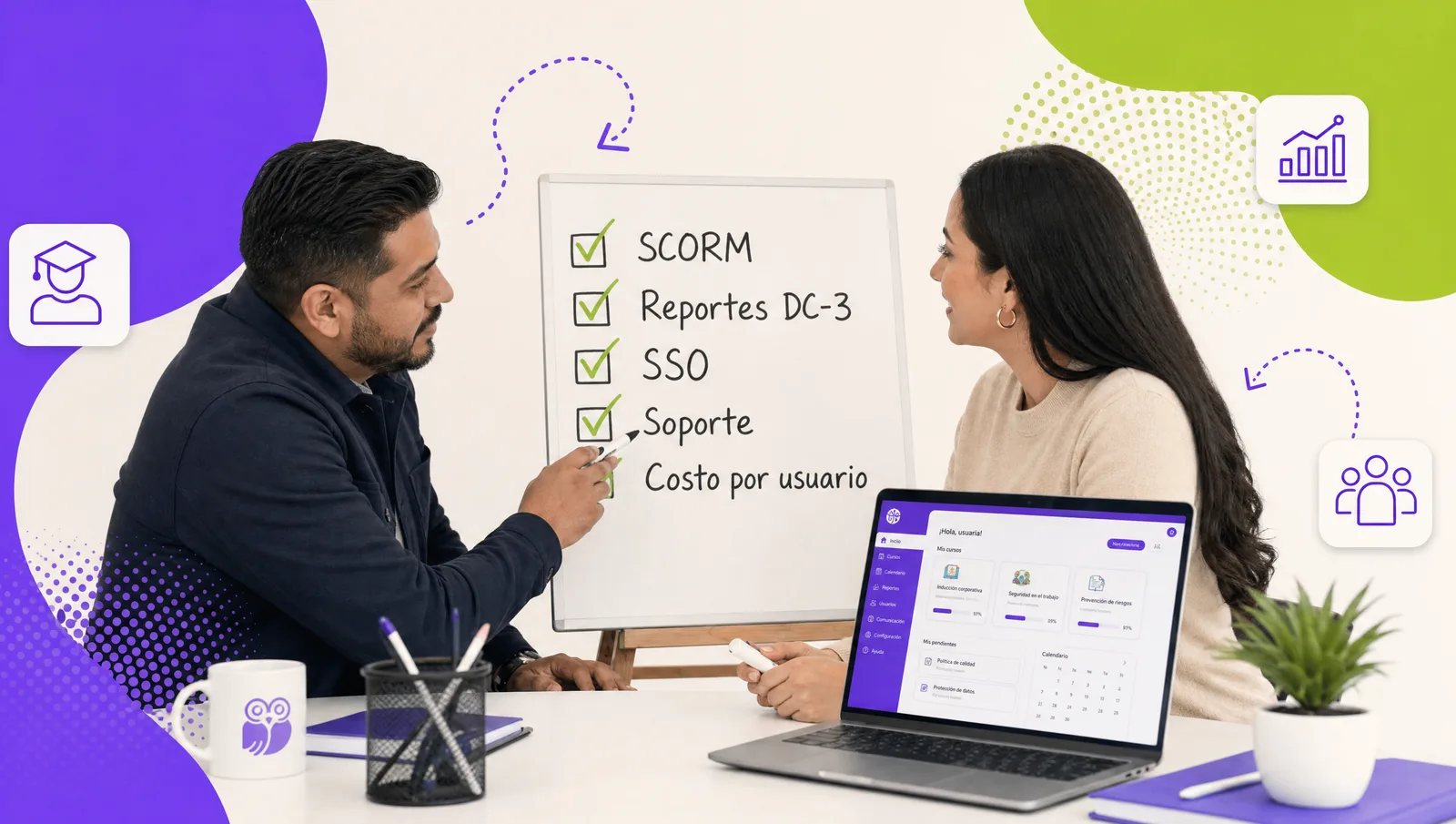
We cross what each role requires with what people master today and with performance results. We separate the gaps that training can close from those that depend on processes, tools or leadership, so you do not invest in courses that will not close them.
Prioritization and plan
We rank needs by business impact, urgency and number of people, and propose the format for each action. The result becomes your training plan and program directly, with goals, dates and owners for each area.

Because without a diagnosis, training is chosen from a catalog, by whichever manager insists the most or by repeating last year's plan. The result is courses people take, pass and forget, while the real gaps keep hurting quality, safety or sales. A training needs assessment connects every training action to a concrete problem in the role and lets you justify the budget to leadership. It is also the basis of the training plan and program that many companies include among their labor obligations in Mexico; for that topic, check with your legal advisor.
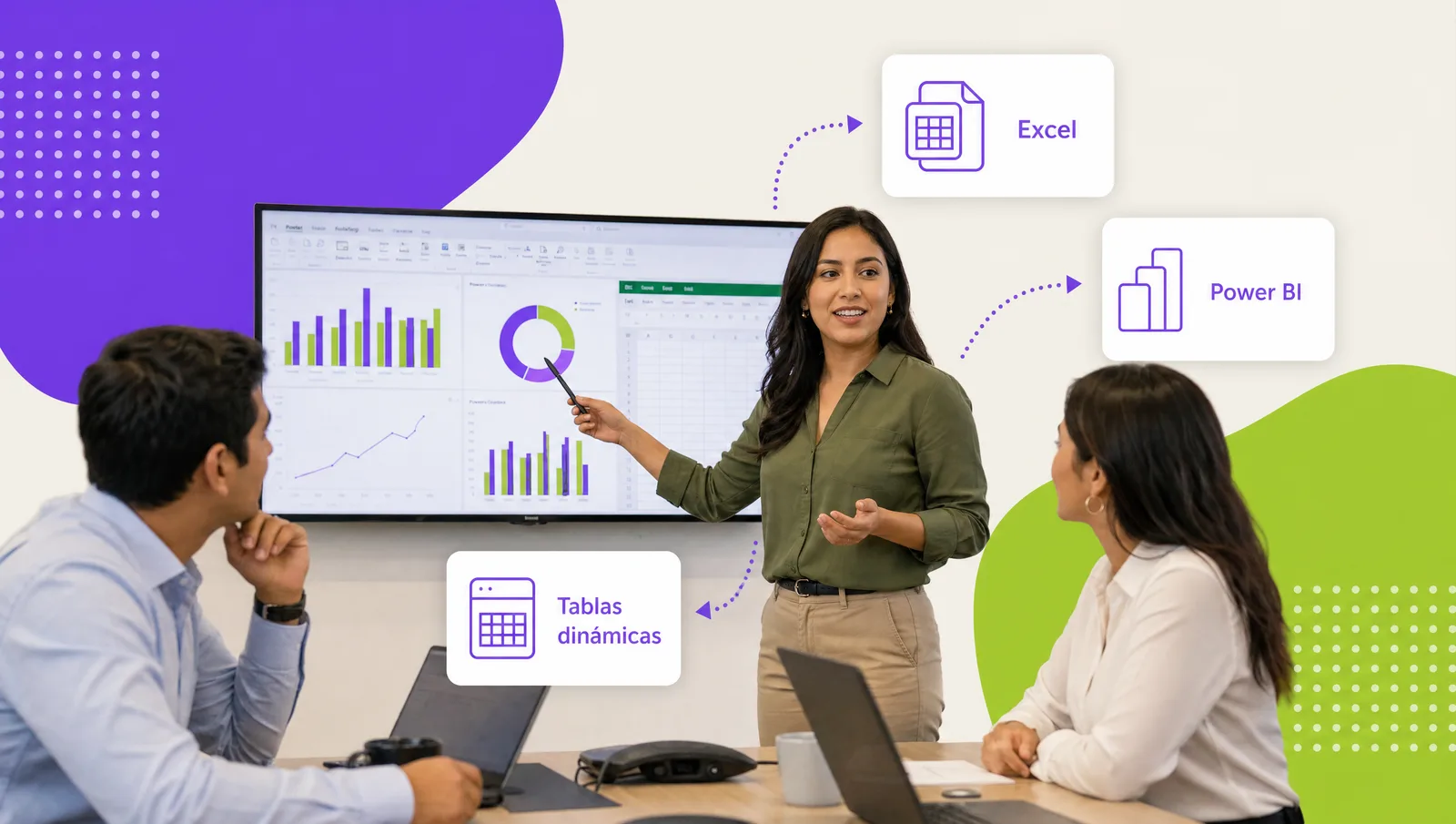
We combine several sources so we do not depend on a single opinion. The online survey captures each employee's view of how well they handle the tasks of their role. Interviews with managers and directors pin down what the business needs this year. The skills matrix compares the required level with the current level for each competency. We also review performance evaluations, quality indicators, customer complaints and incidents. If you already run a 360° evaluation or a workplace climate survey, their results are included in the analysis and help explain where each gap comes from.
An executive report for leadership and a detailed report for Human Resources. It includes the skills matrix by role with its gaps, the analysis by area and role, the list of prioritized needs with their rationale, the gaps that training will not solve and a proposal of actions with a suggested format. We present it in a session with department managers to validate priorities. The next step is turning it into your training plan and program, with courses, dates and owners, and tracking progress on your platform until the next assessment.
The goal is not a nice document: it is knowing what to train first, whom and why.
Each role has its competencies with required and current levels, so the gap is visible at a glance.
An online survey for employees and guided interviews with managers; nobody depends on a single opinion.
We include evaluations, quality indicators, incidents and climate results to back up every need we identify.
We rank needs by business effect, urgency and number of people, not by who asks the loudest.
We flag what processes, tools or leadership should fix so you do not spend on courses that will not help.
The report becomes your training plan and program directly, with format, dates and owners for each action.
Five stages with concrete deliverables; the schedule depends on the number of roles and areas.
We define with Human Resources the areas, roles and information sources included in the assessment.
Work planWe adapt the survey, the interview guide and the skills matrix to your company's job profiles.
Validated instrumentsWe run the online survey, interview managers and collect indicators and performance evaluations.
Complete datasetWe calculate gaps by role and area, separate causes and rank needs by impact.
Prioritized reportWe validate priorities with department managers and turn the result into the training plan.
Annual plan proposalWe help you find it with data and decide what to train first. Request a proposal with three scope options.
The difference is in what you can decide with the result.
| Geedle assessment | Generic survey | |
|---|---|---|
| Sources | Survey, interviews, matrix and indicators | A single interest questionnaire |
| Level of detail | Gaps by role, area and competency | A general list of topics |
| Causes | Separates training needs from everything else | Everything becomes a course |
| Priority | By impact, urgency and number of people | By number of votes |
| Result | Prioritized report ready for the plan | A spreadsheet with no conclusions |
| Follow-up | Progress measured on the platform | Repeated the same way next year |
The method is the same; the roles, instruments and priorities change.
Plants and logistics centers with operational and technical roles.
Offices, support areas and service centers.
Sales forces and account executives.
Government agencies, universities and schools.
The assessment is the main input for your STPS training plan and program. With needs already prioritized, we define courses, dates, instructors and owners, and leave everything ready to run and measure on your platform without starting over from scratch. That keeps diagnosis and execution connected, and you can show why each course was chosen.
For more depth on leadership and behavior, combine the assessment with a 360° evaluation or a workplace climate survey. Their results are crossed with the skills matrix to explain why some gaps persist over time. Sometimes the problem is not knowledge but leadership or the work environment, and it is better to know that before training.
The needs identified are covered with our course catalog with DC-3 or with custom courses. If you are not sure your platform can handle the follow-up, run the LMS assessment before launching the plan. That check tells you whether your system can assign paths by role, issue certificates and show progress by area.
In-person interviews and workshops where we have a team, and online surveys and analysis across Mexico.
Tell us how many roles, areas and sites you want to include and when you need the plan. We reply the same day with a three-option proposal.