




Retail and floor sales
Stores, dealerships and showrooms where customers walk in and decide in minutes.
- Approach
- Cross-selling
- Price objections
- Closing on the floor

Platforms
E-learning platform for companies
Branded LMS, DC-3 and Geedle Bot
LMS Implementation
Your virtual campus ready to run
Corporate universities
Gamification, avatars and incentives
LMS Optimization
Performance with Redis and Nginx
Updates and maintenance
Your LMS up to date, secure and stable
Instructional design
The pedagogical foundation of your e-learning
Course production
Online course production
From content to SCORM, in your city
Instructional design for courses
Objectives, script and storyboard
Course content design
Writing, scripts and graphic design
Gamified courses
End-to-end SCORM production
Interactive videos
Decisions and assessment in video
Learning objects
Interactive micro-content
Moodle Plugins
Artificial intelligence
AI automation
Education, HR and business workflows
Educational virtual agents
RAG chatbots with verified sources
Geedle Bot
Course answers at the exact minute
AI agents for business
Consulting and agents on your documents
AI tutor for universities
Geedle Bot for students 24/7
HR chatbot
AI employee self-service
AI courses from your manuals
From manual to SCORM course
ISO 9001 — Quality
ISO 14001 — Environmental
ISO 45001 — Safety
ISO services
Integrated management system
9001, 14001 and 45001 in one
ISO gap analysis
And pre-assessment audit
ISO courses
Internal auditor and requirements
Maintenance on retainer
Your system alive all year
Supplier audits
Your supply chain, evaluated
System digitalization
Documents and evidence on a platform
ISO 27001 consulting
Information security and cybersecurity
Formats
Programs and compliance
Digital onboarding
New-hire induction with DC-3
Corporate university
Schools, paths and career plans
Training needs assessment
Gaps by role and priorities
STPS training plan
Joint committee, DC-3 and SIRCE
NOM-035 compliance
Assessment, policy and records
CONOCER certification
EC0217, EC0301 and more
Corporate English
By level, live and with DC-3
Sales training
Prospecting, negotiation and closing
Emergency brigade training
Fire, evacuation and first aid
Learn
We design sales courses for companies based on an assessment of your sales team: consultative selling, prospecting, objection handling, negotiation and closing, adapted to retail, B2B, phone or field sales. We practice with role-plays scored against a rubric, coach sales managers, track metrics and issue a DC-3 certificate to every participant.
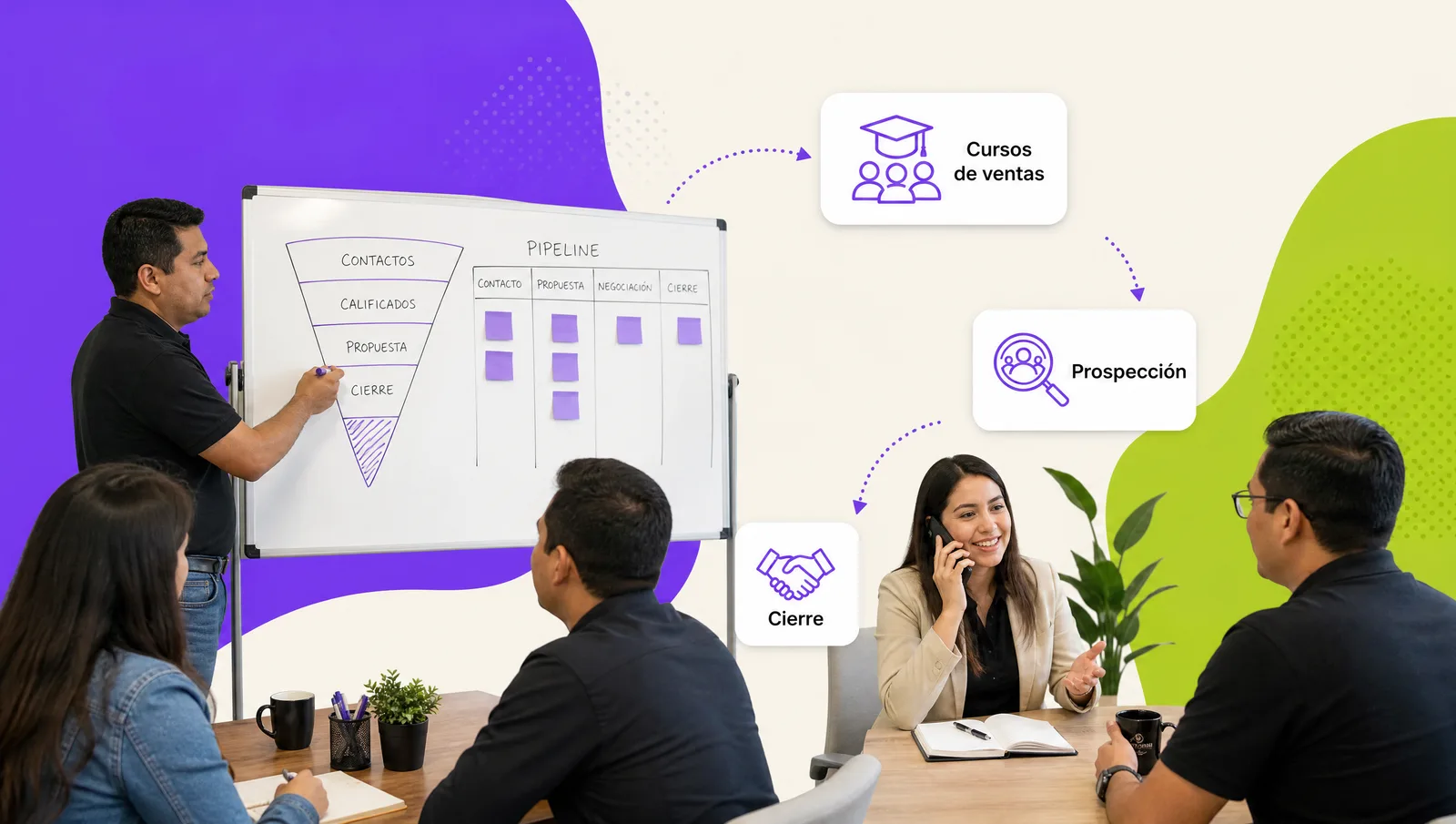
It is training designed for a company's sales team rather than the general public: it starts with an assessment, adapts to the sales model (retail, B2B, phone or field) and combines technique, role-play practice, coaching for managers and metrics tracking, with a DC-3 certificate.
Each stage has a clear goal and leaves evidence of what changed in the team.
Sales assessment
We review your sales process and metrics, listen to real calls and join real visits. We identify the stage where opportunities are lost, whether prospecting, needs discovery, proposal, objections or closing, and which gaps each seller profile has.
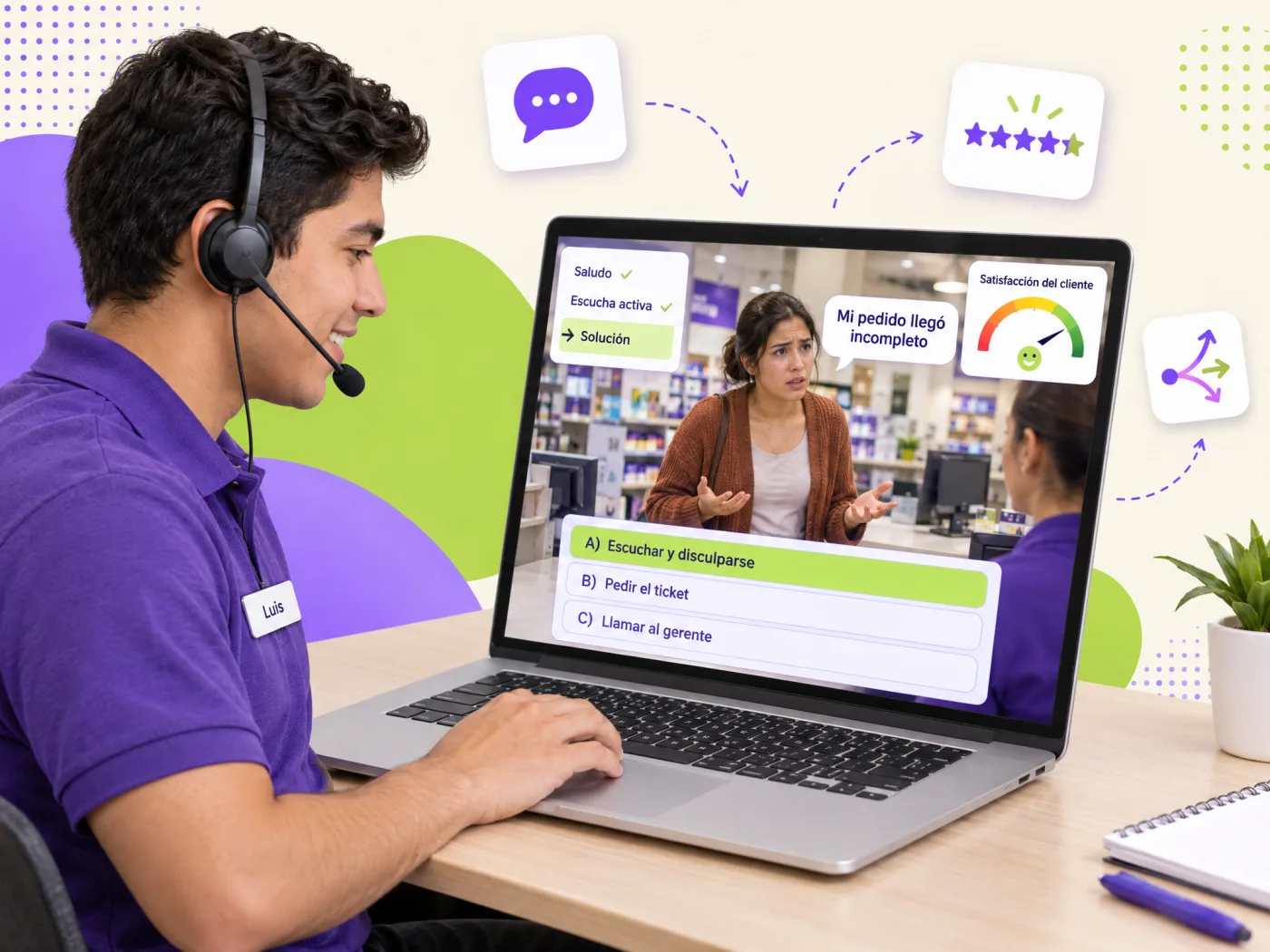
Program by sales model
Live sessions and microlessons on consultative selling, prospecting and negotiation adapted to your channel, followed by role-plays built on your own products and customers, scored with a rubric and with a DC-3 certificate when the program is passed.
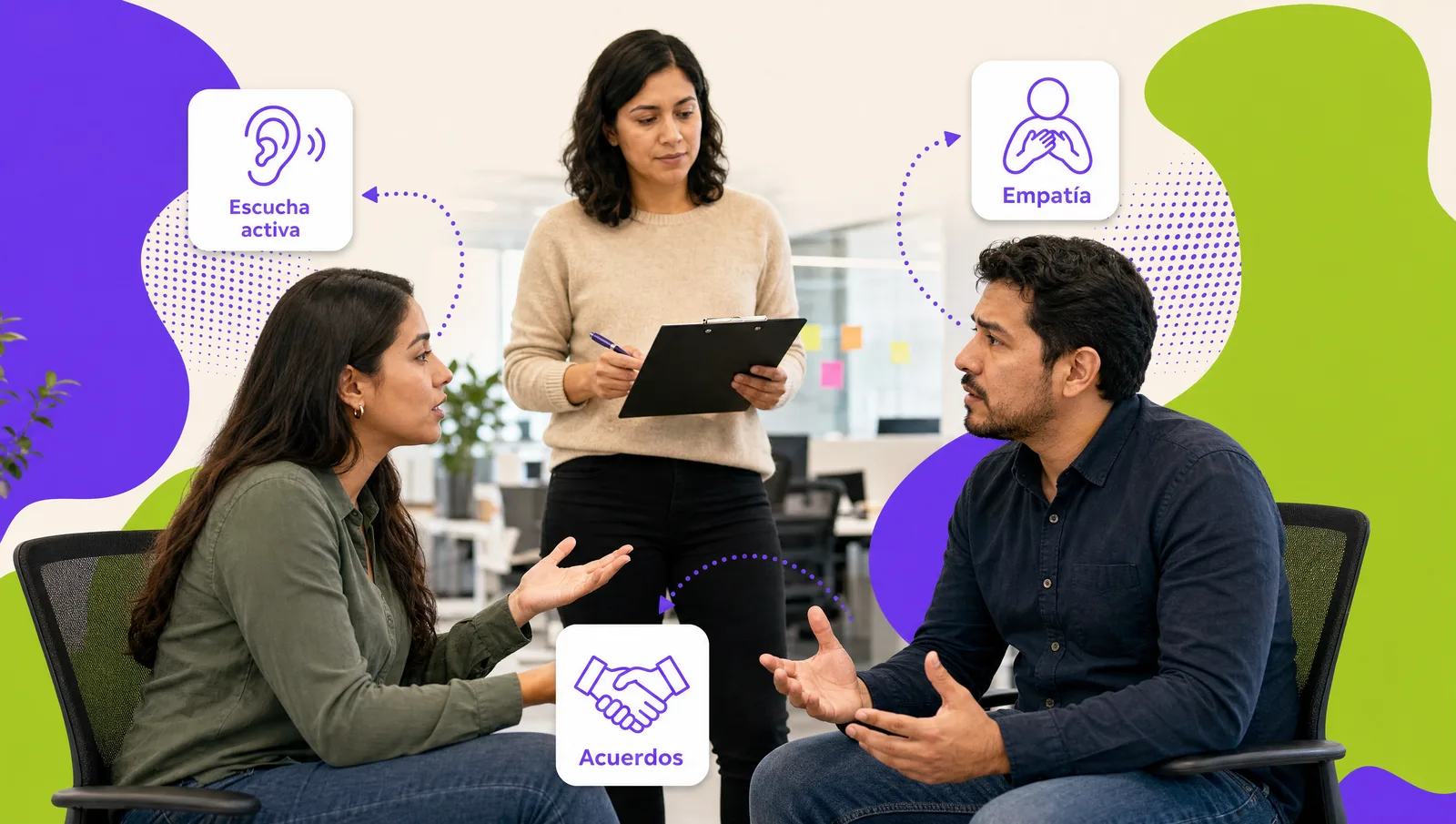
Coaching and follow-up
Sales managers learn to ride along, give feedback with the same rubric and review weekly metrics with each seller. We measure before and after with your CRM data, share the results with sales leadership and adjust the program.
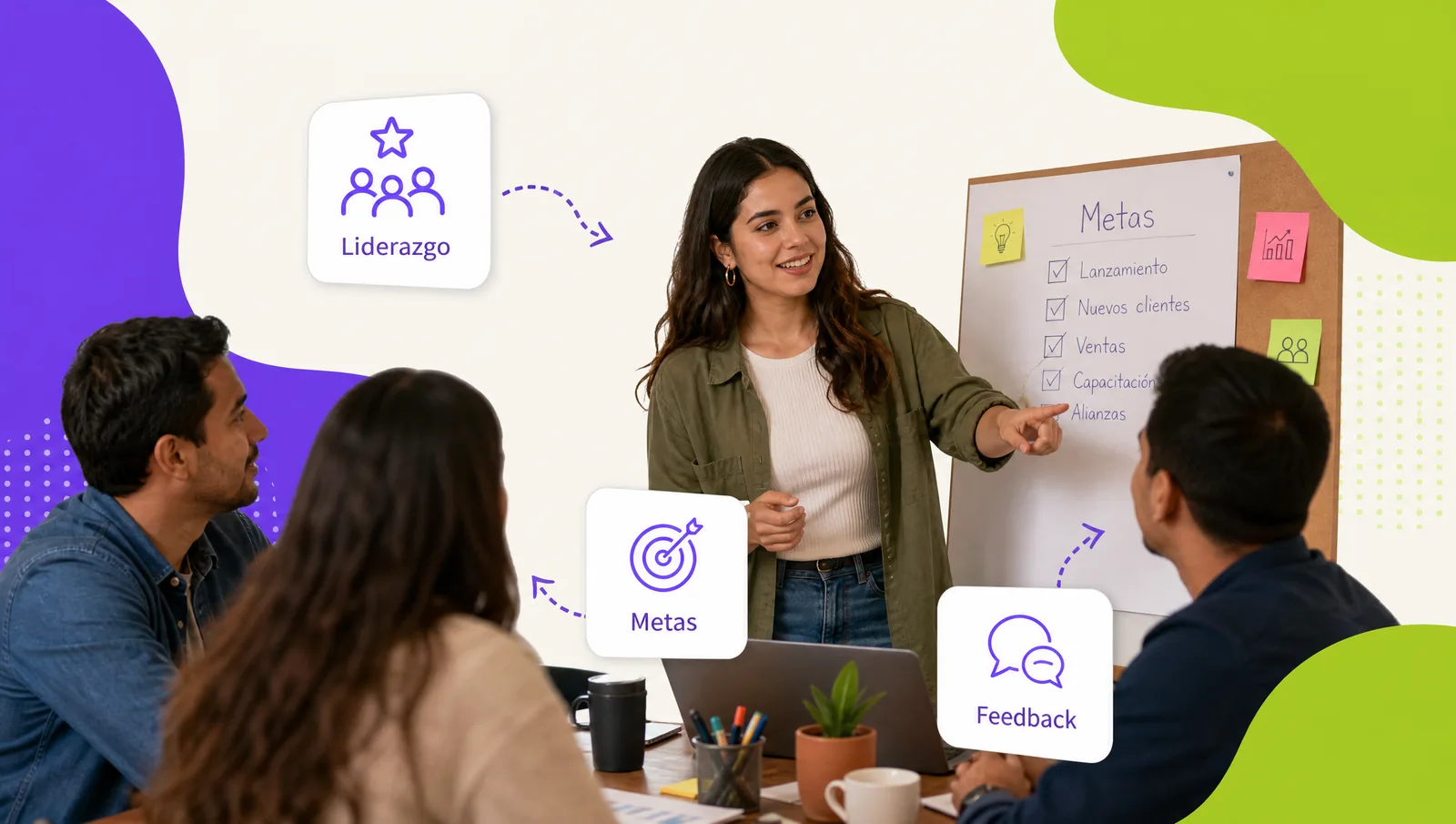
Because it teaches isolated techniques the seller does not know how to apply to their products, their customer or their channel. A one-day motivational course lifts the mood, but on Monday the team goes back to the same conversation as always. Sales training that actually changes results starts from how your team sells today, practices with your real cases and is reinforced day to day by the manager. That is why we combine technique, rubric-scored role-plays and ongoing coaching, and connect selling with customer service to protect repeat business and long-term accounts.
A sales assessment, a program adjusted to your sales model and modules on consultative selling, prospecting, needs discovery, objection handling, negotiation and closing. For B2B sales we add account and key-account management; for teams that already use a CRM, logging discipline, opportunity follow-up and forecasting. We include AI for sales to research prospects, prepare visits, draft proposals and prioritize the portfolio. Everything comes with scored role-plays, manager coaching, reinforcement on the platform through challenges and Geedle Bot, and a DC-3 certificate for every participant who passes, stored on the platform with the rest of the training records.
We define the metrics with you before starting: conversion rate by stage, average ticket, sales-cycle length, number of new opportunities or repeat purchases, depending on your model. We take the baseline from your CRM or reports, score each role-play with the same rubric at the start and at the end, and review the metrics with sales leadership at 30, 60 and 90 days. The conversation stops being whether the team liked the course and becomes what changed in sales, at which stage, and which sellers need more reinforcement in the next quarter.
Technique, practice and follow-up: what turns a course into a new sales habit.
We listen to real calls or visits and review your funnel to find the stage where sales are lost.
Each seller practices with cases built on your products and gets an objective score for every stage of the sale.
Practical use of artificial intelligence to research prospects, prepare visits and draft proposals and follow-ups.
Answers product questions, frequent objections and technique doubts at any hour, with the exact minute of the recording.
Weekly practice challenges, skill badges and team boards that keep the pace going after the course.
Every participant who passes receives a DC-3 certificate with the STPS, with the records stored on the platform.
Start with a sales assessment and a sales training proposal with three scope options.
The core technique is the same; what changes is the conversation, the cycle and the metrics of each channel.
Stores, dealerships and showrooms where customers walk in and decide in minutes.
Long cycles, several decision makers and tailored proposals.
Contact centers, inside sales and follow-up via WhatsApp or email.
Reps and sellers who visit customers, distributors or points of sale.
Five stages with clear deliverables; the first group usually starts in 2 to 4 weeks.
We review your sales process and metrics, interview managers and listen to your sales team's real calls or join their customer visits.
Gap map by sales stageWe choose the modules for your sales model and build practice cases and rubrics with your products and typical customers.
Program and role-play rubricsLive sessions, microlessons on the platform and rubric-scored role-plays, with weekly reinforcement for every seller through gamified challenges and Geedle Bot.
Scores and DC-3 certificatesManagers learn to ride along in the field or on calls and give feedback with the same rubric used in the program.
Weekly coaching routineWe compare sales metrics against the baseline at 30, 60 and 90 days and adjust the program wherever it is needed.
90-day results report
Practice is where technique becomes habit, so it takes up most of the program.
The difference is in the assessment, the practice and the follow-up.
| Geedle sales training | Generic sales course | |
|---|---|---|
| Starting point | Assessment of your process and metrics | Fixed syllabus for any company |
| Content | Adjusted to retail, B2B, phone or field | General techniques |
| Practice | Role-plays with your cases and a rubric | Examples from other industries |
| Managers | Coaching to support the team | Not involved |
| Reinforcement | Challenges, Geedle Bot and microlessons | Ends on the last day of the course |
| Measurement | Sales metrics before and after | Satisfaction survey |
We adapt sales training to each industry: approach, floor sales and service for retail and services, consultative selling aligned with sector regulation for financial and insurance, and programs for manufacturing, technology, healthcare and other sectors in our course catalog. Practice cases are always built from real situations in your industry.
Complement the program with negotiation for those who close large deals, customer service to protect repeat business and, if your team serves foreign customers, corporate English with sales topics, where role-plays are run in English using the same program rubric. That way each seller strengthens technique, customer relationships and language within a single plan.
Teach your team to use AI for sales and marketing to research accounts, prepare visits and draft proposals, and ramp up new sellers faster with a digital onboarding path covering product, sales process, CRM and their first scored role-plays before they start selling to real customers, so their first weeks produce results instead of mistakes.
In-person sessions and on-site role-plays where we have instructors, and the live online program for teams across Mexico.
Tell us how many sellers you have, how they sell and which metric you want to move. We reply the same day with a three-option proposal.