Team building vs teamwork course: when each one makes sense
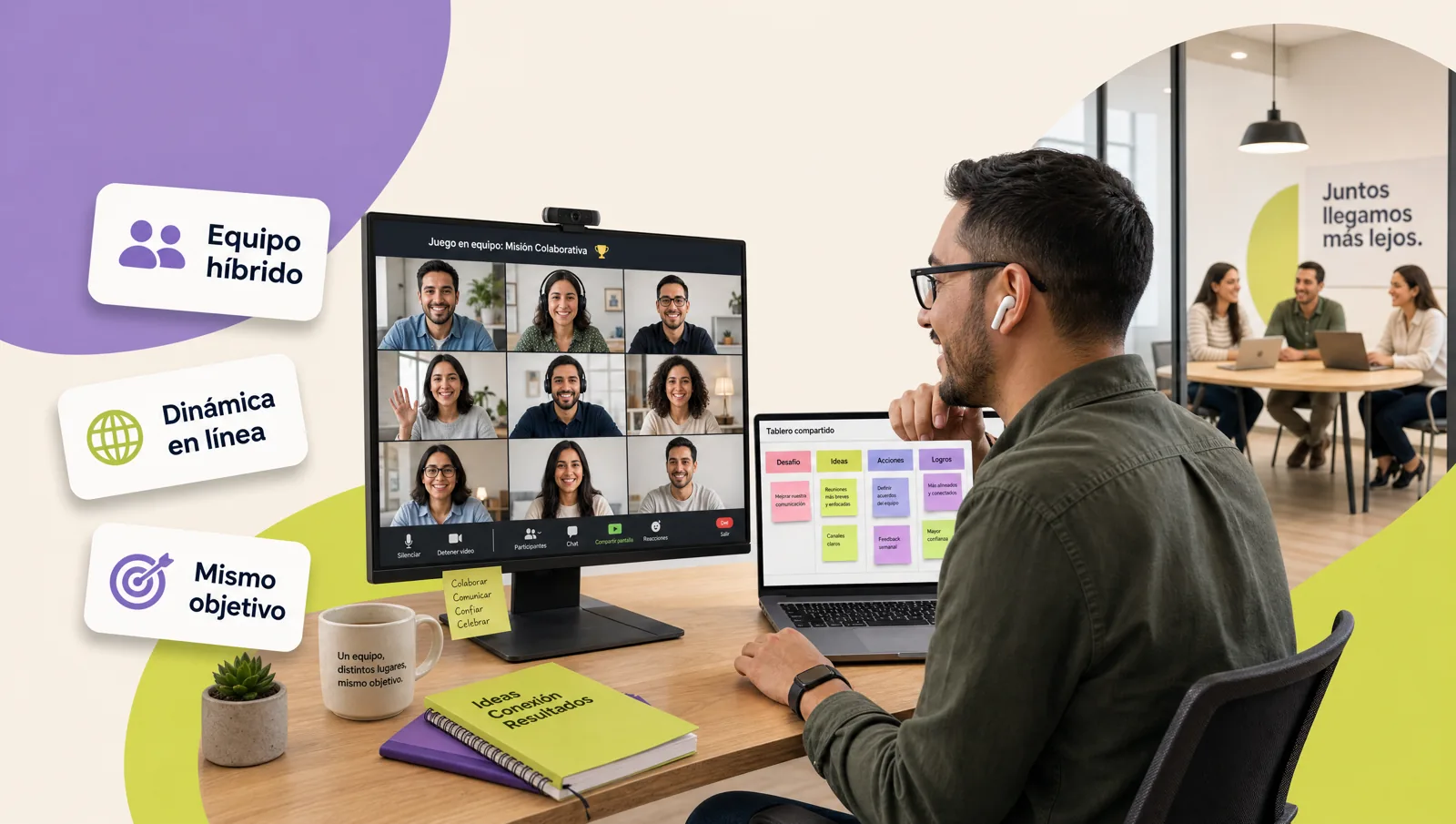
They get requested as if they were the same thing and they solve different problems. Team building works on how the team relates through shared experiences; a teamwork course works on the method the team uses to organize itself. Choosing wrong costs a day of operations and leaves the problem untouched, so here are the differences, a comparison table and five situations with their answer.
In this article
What is the difference between team building and a teamwork course?
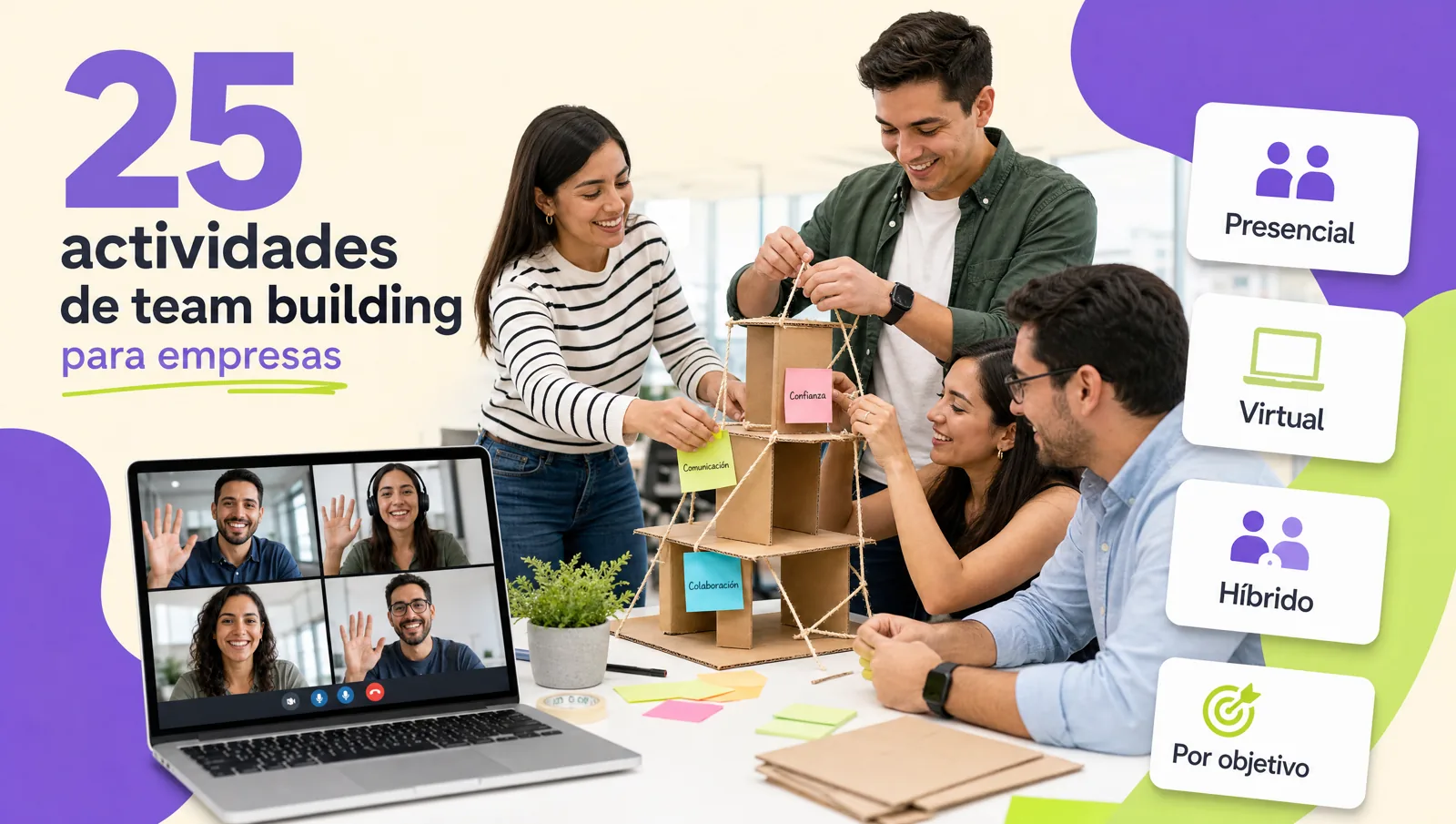
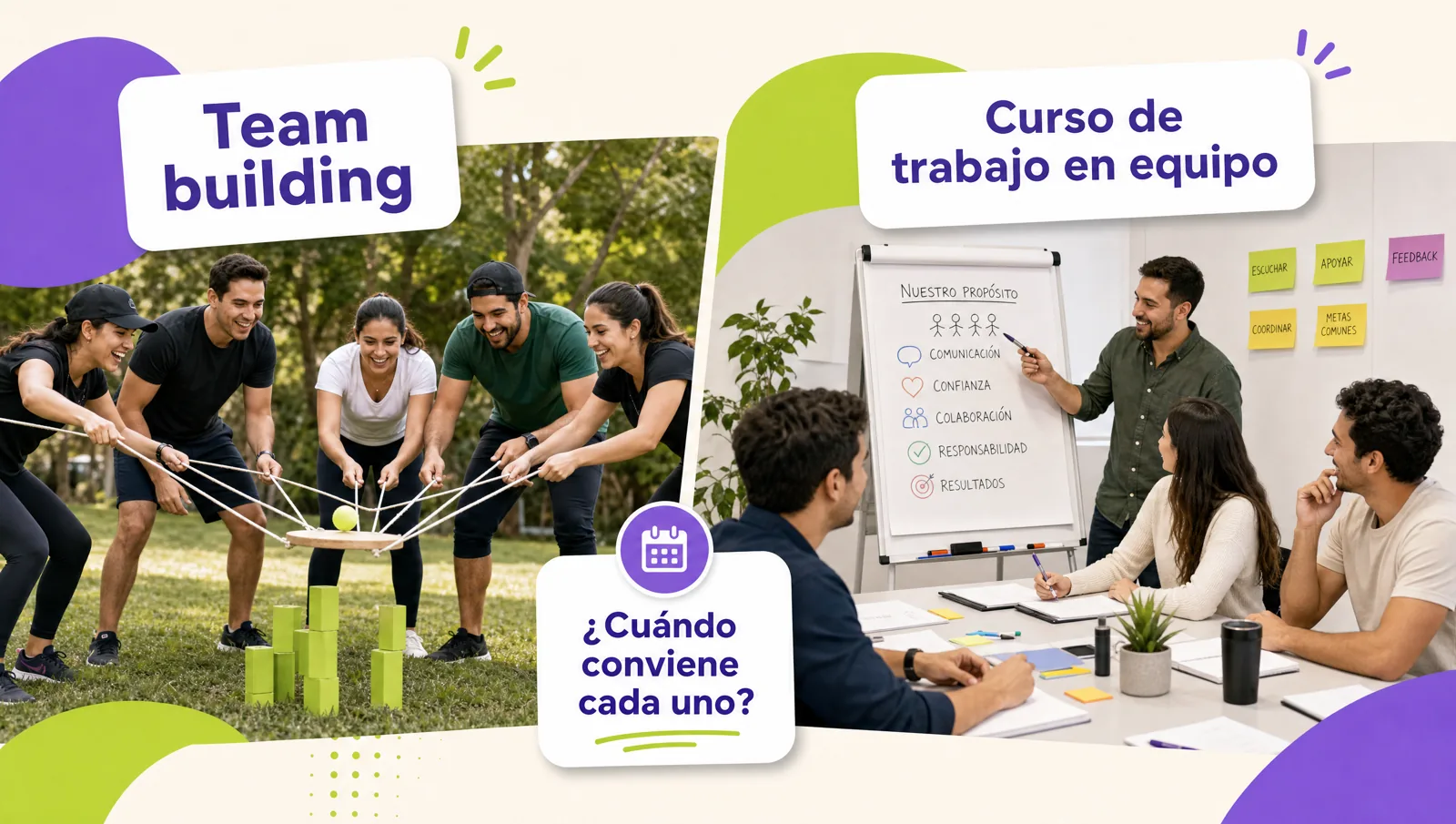
Team building changes how people relate (trust, communication, integration) through activities experienced as a group; a teamwork course teaches a method (roles, agreements, meetings, follow-up) with guided practice and assessment.
Both bring the team together away from daily operations and both can be in-person, virtual or hybrid. The difference is what they take away at the end: from team building they leave with a shared experience and, if done well, with agreements; from the course they leave with tools they apply the following week and a DC-3 certificate that documents the training. Neither replaces the other.
What team building solves (and what it does not)
It solves relationship problems: areas that do not know each other, distrust after a change, new or merged teams, communication that broke down. It does not solve method or leadership problems.
The dynamics work because they force people to coordinate in a new situation, without the weight of daily operations, and that surfaces in an hour what takes months to get said in the office. What team building does not fix is a badly designed process, a manager who does not delegate or meetings with no agenda: the team comes back happy and on Monday the problem is still there. That is why at Geedle the team building activities are chosen from a short diagnostic and closed with a workshop: if the diagnostic points to method, we say so before quoting.
What a teamwork course solves (and what it does not)
It solves method problems: unclear roles, agreements that are not kept, long meetings, dependence on a single person, conflicts nobody knows how to handle. It does not solve a team that does not want to work together.
The teamwork course delivers concrete tools: a roles and responsibilities matrix, an agreement format with an owner and a date, meeting rules, a protocol for disagreements and practice on the team's real cases. It is assessed and issues a DC-3 certificate. What it does not change on its own is willingness: if two areas avoid each other, the method gets learned and not applied.
Comparison table
The table sums up the differences that matter for the decision: objective, duration, evidence, when each one makes sense and what it leaves unsolved.
| Criterion | Team building | Teamwork course |
|---|---|---|
| Objective | Relationships: trust, communication, integrating areas | Method: roles, agreements, meetings, conflict handling |
| Typical duration | Half day or full day, with a closing workshop | 8 to 16 hours in sessions of 2 to 4 hours |
| DC-3 evidence | Only the closing workshop, if there is one | Yes, for the full course |
| When it makes sense | New team, merged areas, recent change, tense climate | Broken agreements, unproductive meetings, confused roles |
| What it does not solve | Badly designed processes, weak leadership | Lack of trust or willingness to collaborate |
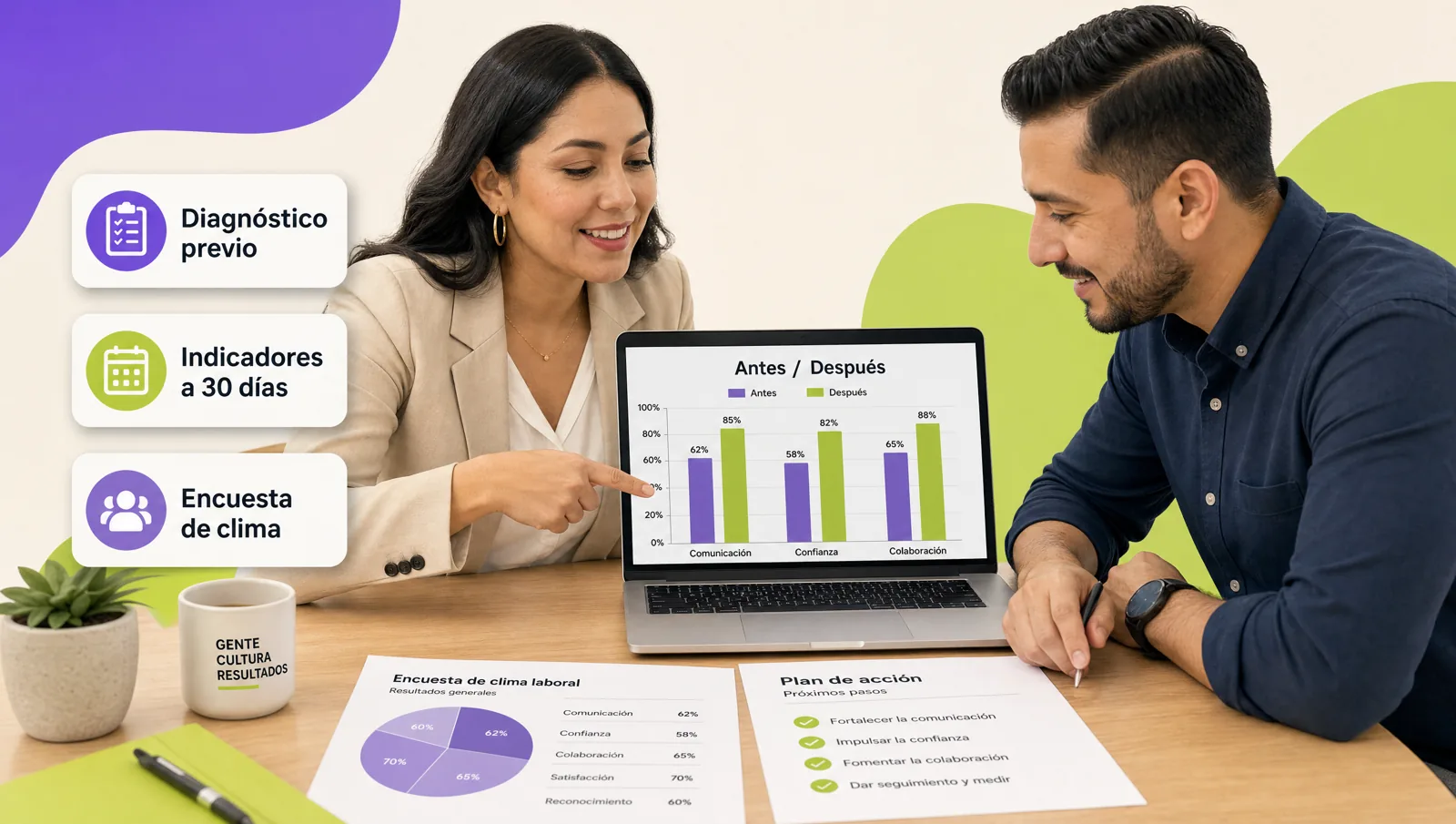
| Measurement | Prior diagnostic and 30-day follow-up | Initial and final assessment, application to real cases |
Five situations and what makes sense in each
The short rule: if the team knows how to work together and does not want to, team building; if it wants to and does not know how, a course; if neither, team building first and the course after.
- Two areas merged and nobody talks to each other. Team building with integration and communication dynamics, followed by an agreements workshop. The method comes later, once there is willingness.
- Meetings last two hours and produce no agreements. Teamwork course. The problem is format, not relationships; an experience does not shorten the meeting.
- There was a layoff and the remaining team is distrustful. Team building focused on trust, with a diagnostic that locates where the tension is. A course at that moment feels like one more demand.
- A new team with experienced people from different companies. Both, in that order: half a day of integration and then the course to agree on one shared method instead of four inherited ones.
- The team depends on one person for everything. The course, and in parallel the leadership course for whoever runs the team: dependence usually comes from how work is delegated.
What if I combine both?
It is the combination that performs best when the diagnostic shows both things: a team building day with an objective and a closing workshop, and two or three weeks later the course to set the method on top of the willingness the day created.
That is how we build it at Geedle: a short team diagnostic, gamified dynamics designed for the objective detected, a workshop with a DC-3 certificate and measurement at 30 days. If the objective is about method, instead of the day we propose the course directly; if there are signs of both, the program combines them and the measurement is the same. How that measurement works is in how to measure team building results. The other skills that usually show up in the diagnostic (communication, listening, leadership) are in the soft skills courses catalog.
Want to bring this to your team?
We run the short diagnostic of your team and tell you clearly whether a team building day, the teamwork course or both make sense; in every case with a workshop, a DC-3 certificate and measurement at 30 days. Message us on WhatsApp, fill out the contact form or open this site's live chat: we send a proposal with three scope options and a closed price in under 24 business hours, with the DC-3 certificate and Geedle Bot included. The full program is at team building for companies and the catalog at training courses for companies.